
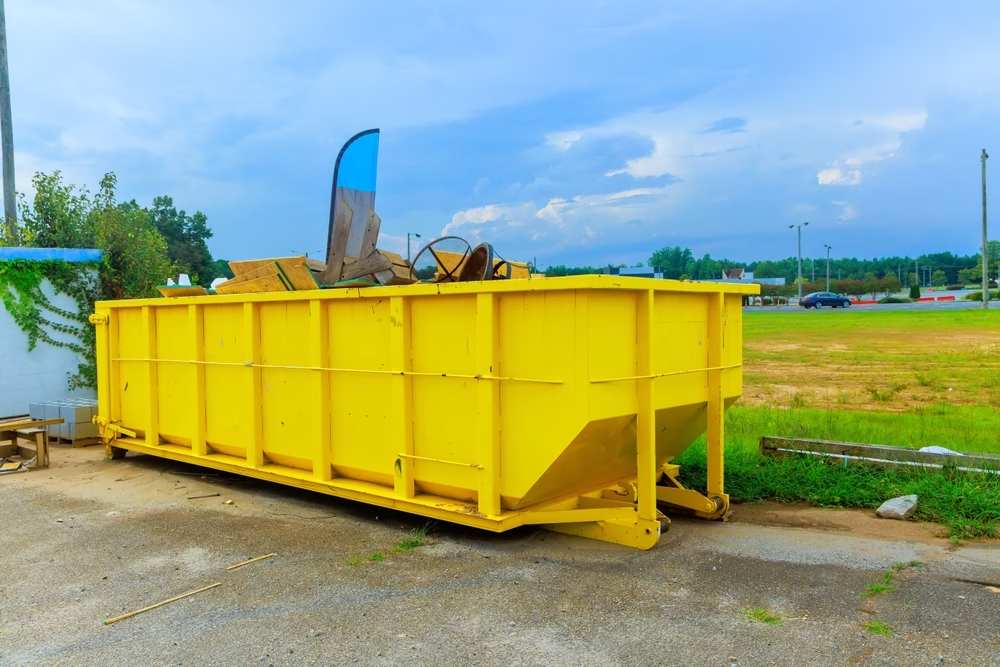
Renting a waste container is a fantastic way to clear out residential clutter, tackle a major home renovation, or clean up after a major landscaping project. However, simply tossing items over the side without a clear strategy can quickly leave you with a half-empty bin that has reached its physical fill line. At Easy Roll Dumpsters, we want to help you maximize every square inch of your rental. Learning how to properly distribute and layer your debris saves you time, prevents safety hazards, and maximizes your investment.
When debris is discarded carelessly, large air pockets form at the bottom of the container. These empty voids fill up space prematurely, forcing you to consider ordering a second bin for a project that should have easily fit into one. If you are currently managing a home cleanout project, arranging a residential dumpster rental in Newton County gives you the physical space needed to purge years of clutter, provided you pack the floor area methodically. Taking an extra few minutes to evaluate your debris before tossing it into the metal bin changes the entire financial dynamic of your project disposal costs. Developing a clear plan before the delivery truck arrives prevents chaos on the job site.
Step-by-Step Strategic Loading Method
Most residential roll-off containers feature a heavy-duty swinging door at the rear. Utilizing this walk-in entry point is the absolute secret to an organized, tightly packed layout that avoids wasted vertical space. Follow this precise sequence when loading your materials to get the tightest fit possible from the floor to the top rim:
- Open the Rear Door: Instead of lifting heavy furniture or bags over the high side walls, open the rear door completely and secure it to the side of the container to create a flat, walkable entry point directly onto the floor.
- Lay Down a Flat Base: Begin by loading flat, heavy items first. Old plywood, broken sheetrock, interior doors, and large pieces of flattened corrugated cardboard should go right onto the floor of the bin to create a level foundation.
- Deconstruct Large Furniture: Never throw a fully assembled couch, desk, or cabinet into the bin. Take a sledgehammer, crowbar, or reciprocating saw to wooden tables, bed frames, and cabinetry to break them down into flat planks that lay flush against each other.
- Fill the Voids with Small Debris: Once your heavy, flat items are in place, toss smaller items like loose garbage bags, roofing shingles, old clothes, and minor household clutter into the small gaps and pockets left between the larger pieces.
- Keep the Top Surface Level: As you reach the top rim of the container, distribute the remaining debris evenly across the front, middle, and back. A lopsided pile makes transport incredibly dangerous, shifts during transit, and can violate local department of transportation regulations.
Weight Distribution and Material Guidelines
Different projects generate vastly different types of waste, and mixing them improperly can create severe balancing issues during truck transport. Heavy masonry materials like concrete blocks, bricks, asphalt, dirt, and porcelain tile weigh significantly more than household junk, old drywall, or fiberglass insulation. Because of these weight discrepancies, you must adapt your layout strategy based on the specific density of the materials you are discarding.
For fast-moving cleanups or strict weekend timelines, securing a daily dumpster rental in Henry County allows you to quickly purge heavy renovation materials without having a container sit on your property for weeks at a time. This fast-paced setup works best when your staging area is kept clear of loose clutter. The chart below outlines standard loading guidelines recommended by the team at Easy Roll Dumpsters to help keep your quick-turnaround project moving safely and on schedule:
| Material Type | Ideal Bin Location | Best Loading Practice | Fill Limit Restriction |
| Household Junk & Furniture | Bottom and Middle | Break down frames; stack flat items first to avoid air voids | Up to the top rim |
| Concrete, Brick & Dirt | Bottom Layer Only | Spread evenly across the floor; do not stockpile in one corner | Keep below half-full |
| Drywall & Framing Lumber | Middle Layer | Cut long studs into shorter, manageable pieces to fit tightly | Up to the top rim |
| Yard Waste & Tree Branches | Top Layer | Put heavy logs down first; compress loose brush on top | Up to the top rim |
| Cardboard & Packaging | In-Between Voids | Flatten all boxes entirely with a utility knife before discarding | Up to the top rim |
Avoiding Road Hazards and Safety Fees
One of the most frequent mistakes project managers and homeowners make is building a “mountain” of trash that extends above the top rim of the metal walls. Transporting an overfilled bin is a major safety violation because loose debris can fly out onto highways, striking trailing vehicles or causing multi-car accidents. Our transport drivers must tarp the top of the container securely before lifting it onto the truck bed. If items are sticking up or hanging over the edges, our team cannot safely transport the load, which can result in costly project delays and dry-run trip fees.
You also need to keep a close eye on your weight limits when dealing with porous, damp materials. Carpeting, ceiling tiles, mattresses, and yard waste absorb an immense amount of rainwater during a storm. If a heavy downpour is forecast during your rental period, throwing a simple plastic tarp over the open top of the container will prevent the contents from waterlogging. This proactive step keeps your final weight well within standard limits and prevents surprise overweight fees at the commercial scales.
Proper distribution prevents the container from tipping or dragging awkwardly when the hydraulic hoist engages. If all the heavy concrete or iron pipe is stacked exclusively at the front or the very back, the imbalance can damage your driveway or prevent the truck from safely securing the framing hooks. Taking the time to spread weight horizontally is just as vital as managing the vertical height limit. Reviewing these structural weight rules with your entire cleanup crew guarantees that everyone loads the container uniformly from day one.
Contact Us to Reserve Your Next Bin
If you are planning an upcoming estate cleanout, neighborhood demolition, or commercial roofing project, the team at Easy Roll Dumpsters is ready to supply the ideal containment setup for your needs. We take care of timely drop-offs, convenient driveway protection positioning, and prompt hauling so you can focus entirely on completing your physical project. Contact Easy Roll Dumpsters today to speak with a waste disposal specialist, choose your ideal container size, and schedule a delivery window that aligns perfectly with your timeline.