
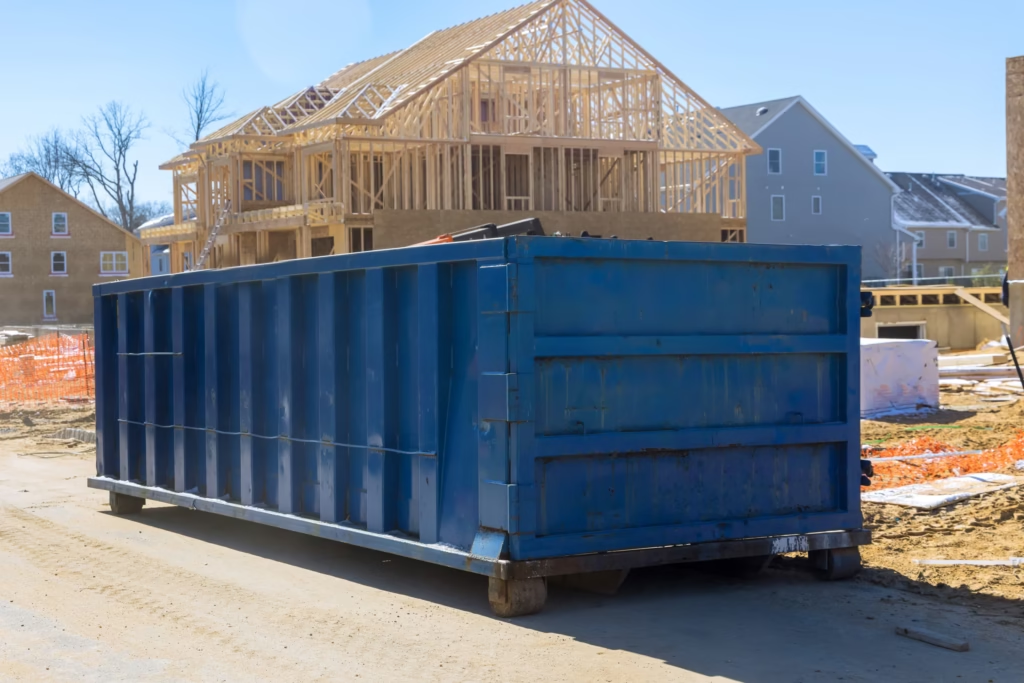
A daily dumpster rental is a roll-off container dropped at your property for roughly 24 to 48 hours, long enough to empty a garage, strip a bathroom, or clear out a relative’s house in one concentrated push. Most homeowners who book one are not running a month-long project; they have a free Saturday, a few helpers, and a pile that needs to disappear before Monday. That short window is exactly why these rentals work so well for quick cleanouts.
The appeal is simple. You pay for the time you actually use, the container is gone before it becomes an eyesore, and the job has a hard deadline that keeps everybody moving.
What a Short-Term Rental Period Actually Includes
Most roll-off companies quote a standard rental window of 7 to 10 days, with a flat rate that covers delivery, pickup, disposal fees, and a set tonnage allowance. A short-term or daily rental compresses that window: the truck drops the bin in the morning and returns the next day, or sometimes the same evening, once you call for pickup.
The base price usually stays close to the standard rate because the hauler’s biggest costs are the two truck trips and the landfill tipping fee, not the days the can sits in your driveway. What you gain is speed and a clear driveway, which matters in neighborhoods with HOA rules or tight parking.
- Flat Price Delivery and Pickup: Standard flat pricing applies depending on container size.
- Tonnage Allowance: Roughly 2 to 4 tons, with overage billed per ton after that.
- Flexible Dispatch: Same-day or next-day pickup once you call, assuming the route has room.
- No Extra-Day Charges: Avoid daily extended fees, which commonly run $10 to $25 per day past standard windows.
If you are looking at dumpster rentals in Loganville, booking early helps ensure you secure a short-term delivery slot before weekend routes fill up.
Cleanouts That Genuinely Finish in a Day
Not every project fits a 24-hour window, but a surprising number do when you have the container waiting and a few people helping. The jobs below are the ones crews finish most reliably in one working day.
- Two-car garage cleanout: Usually 10 to 14 cubic yards of boxes, broken furniture, paint-free junk, and old sporting goods.
- Single-room renovation demo: A bathroom gut produces 6 to 10 yards of tile, drywall, vanity, and tub.
- Estate or move-out clearing: A small house often fills a 20-yard bin in six to eight hours with three helpers.
- Storm and yard debris: Branches, fence sections, and sod stack fast after a major thunderstorm.
- Roof tear-off on a small home: One layer of shingles over about 1,800 square feet lands near 3 tons.
Spring and early summer are the busiest stretch for these bookings, so a Friday or Saturday drop may need a week of lead time. Midweek slots open up far more easily.
The Cost Math Behind Renting for Less Time
People often assume a shorter rental should cost a fraction of a weekly rate. It rarely does, and understanding why helps you compare quotes honestly. The hauler still sends a truck twice and still pays the landfill by weight, and those two line items drive most of the bill.
Where short-term rentals genuinely save money is on the back end. You avoid late fees, you avoid the slow creep of neighbors quietly adding their own junk, and you avoid going over your tonnage because the bin only holds what your crew loaded that day. Review any company’s list of additional charges before booking so overage rates and prohibited-item fees are not a surprise.
Compare that to hauling it yourself. A half-ton pickup carries roughly 1 to 1.5 cubic yards of loose debris per trip, meaning a garage cleanout turns into eight or ten round trips plus per-load transfer station fees, fuel, and a full day of your own labor.
Choosing a Size You Can Fill in One Session
Oversizing a short rental wastes money; under sizing it means a second haul and a second fee. These rough equivalents work well for quick-turn projects:
- 10-yard (about 4 pickup loads): Best for heavy material like dirt, brick, concrete, or one layer of shingles.
- 15-yard (about 6 pickup loads): A solid middle choice for single-room demo and garage clearing.
- 20-yard (about 8 pickup loads): Standard for whole-house cleanouts and bulky furniture.
- 30-yard (about 12 pickup loads): Reserved for large volume, light-weight debris.
Heavy debris is the trap. Concrete, soil, and roofing hit weight limits long before they fill the box, so a 10-yard bin loaded with masonry can reach 4 tons while still looking half empty.
Prep Work That Keeps a One-Day Rental on Schedule
The difference between a smooth same-day cleanout and a frustrating one is almost always preparation done before the truck arrives.
- Clear the drop zone: Plan on roughly 22 feet of length, 8 feet of width, and 23 feet of overhead clearance free of branches and power lines.
- Protect surfaces: Lay plywood under the wheels and rails if your driveway is asphalt or decorative concrete.
- Check local requirements: If you are booking a temporary dumpster rental in Dekalb County, verify whether you need a street permit if the container must sit on a public right-of-way rather than a driveway.
- Pre-sort materials: Organize the pile the night before, separating metal for scrap and pulling out anything prohibited.
- Optimize loading space: Load flat items first, standing doors and plywood against the walls, then fill voids with small debris.
- Break down bulky items: Disassemble furniture and cabinets so you are not paying to haul trapped air.
- Notify the driver: Call for pickup as soon as you finish, since routes are set the evening before.
- Mind the fill line: Keep everything level with the top rail. Drivers cannot legally tarp an overloaded container, and an overfilled bin gets refused.
Items That Cannot Ride Along
Landfills refuse a short list of materials no matter how briefly you rent. Tires, wet paint, motor oil, propane tanks, batteries, refrigerant appliances, and anything containing asbestos all need separate handling, and they will stall a pickup if the driver spots them.
Construction and demolition material makes up a huge share of what Americans throw out, with the EPA estimating roughly 600 million tons generated annually, much of it recoverable through sustainable C&D management practices. Clean wood, metal, and concrete often have separate recycling outlets worth asking about. For a full breakdown of accepted household material, see this guide on what you can put in a residential dumpster rental.
Schedule Your Short-Term Dumpster Drop
If you have a weekend cleanout on the calendar, pick your date first and book the container around it. The team at Easy Roll Dumpsters can check route availability for your address and match the size to your debris, so contact us today to lock in a delivery window.