
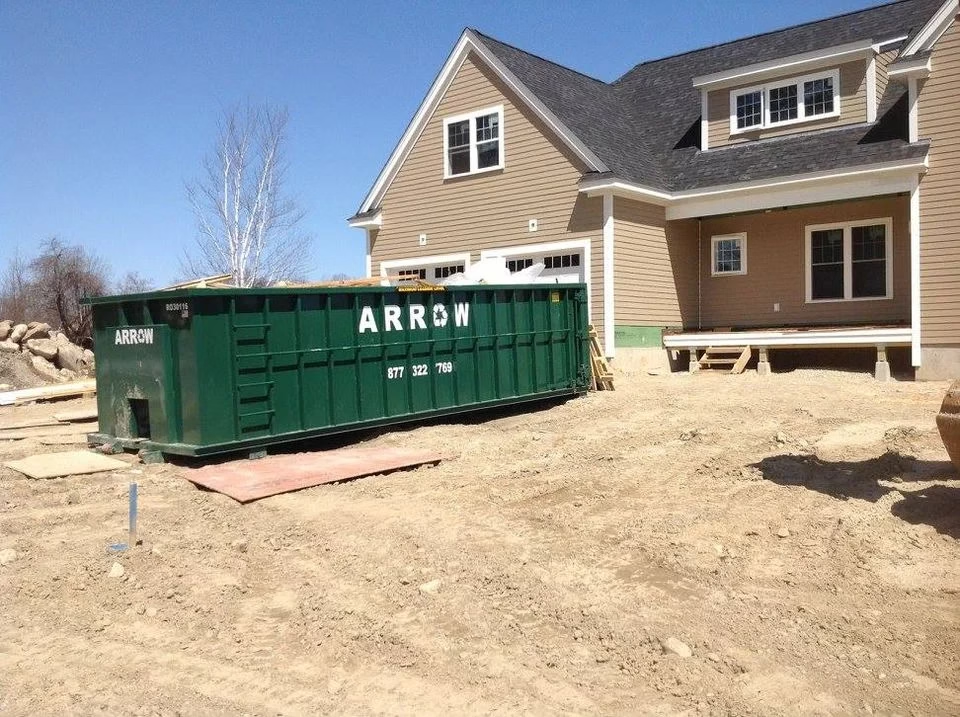
Tackling a major home project brings a real sense of accomplishment. Whether you are clearing out years of accumulated items from the garage, tearing up old carpet, or remodeling a master bathroom, watching clutter disappear is incredibly satisfying. However, as debris starts piling up in your driveway or yard, you quickly realize that your weekly household trash can is nowhere near large enough to handle the volume.
Renting a roll-off container from Easy Roll Dumpsters is the easiest way to keep your work area clean, organized, and safe. But before you start tossing everything in sight into the bin, it is essential to know what materials are permitted and which items must be disposed of through special channels.
Understanding disposal rules helps you avoid unexpected contamination fees, keeps delivery crews safe, and protects local sorting facilities. This guide breaks down exactly what you can throw into your container, what needs special handling, and how to plan your next home project smoothly.
Allowed Items: What You Can Throw Away
For most standard home cleanouts, yard work, and remodeling projects, the vast majority of your waste can go straight into the container. Grouping these materials properly makes loading your bin much more efficient.
General Household Clutter
When downsizing, clearing out an attic, or organizing a basement, you will run into plenty of everyday items. You can freely dispose of:
- Furniture: Wooden tables, chairs, dressers, desks, and bookshelves. Soft furnishings like sofas, armchairs, mattresses, and box springs are also allowed in most residential loads.
- General Trash: Non-perishable items, old toys, plastic storage bins, luggage, rugs, and rolled-up carpeting.
- Paper and Clothing: Bins of old clothes, worn-out shoes, books, cardboard boxes, and stored paperwork.
When scheduling a residential dumpster rental in Dekalb County, clearing away accumulated indoor junk becomes a simple, one-step process.
Construction and Remodeling Waste
Home improvement projects generate heavy, bulky materials fast. Most non-hazardous building supplies can go directly into your roll-off bin:
- Wallboards & Wood: Sheetrock, drywall, studs, framing lumber, subflooring, and plywood trim.
- Fixtures & Cabinetry: Bath vanities, kitchen cabinets, wooden countertop sections, sinks, toilets, and fiberglass tubs.
- Flooring: Ceramic tile, laminate planks, hardwood flooring, vinyl sheets, and linoleum.
- Roofing & Exterior: Asphalt shingles, felt paper, siding panels, and gutters.
Yard Debris and Landscaping Materials
Storm cleanups and landscaping overhauls produce massive organic waste. You can load:
- Tree branches, logs, and thick brush.
- Grass clippings, raked leaves, and garden trimmings.
- Organic mulch, small stumps, and sod.
Restricted and Prohibited Materials
To comply with environmental laws and landfill regulations, certain items cannot be mixed in with regular residential trash. Knowing these restrictions ahead of time prevents delays and extra sorting charges.
| Material Category | Prohibited / Restricted Items | Why It Is Restricted | Proper Disposal Method |
| Hazardous Chemicals | Paints, stains, thinners, solvents, pesticides | Creates environmental contamination risks at landfills | Local county household hazardous waste drop-off sites |
| Automotive Items | Car batteries, motor oil, gasoline, tires | Highly flammable and toxic; requires specialized recycling | Auto parts stores, tire shops, or automotive recyclers |
| Flammables & Gases | Propane tanks, fuel cans, lighter fluid, fireworks | Represents severe explosion and fire hazard for haulers | Municipal gas drop-offs or certified propane refillers |
| Certain Appliances | Refrigerators, freezers, air conditioners (Freon units) | Contains refrigerants regulated by federal air laws | Requires certified Freon draining before scrap pickup |
| Heavy Inert Materials | Pure dirt, concrete, brick, asphalt in large containers | Exceeds standard truck lifting weight capacities quickly | Dedicated heavy-material dumpsters (e.g., 7-yard specialty bins) |
Items Requiring Special Handling
Some items are permitted under specific conditions or require advance notice.
Heavy Appliances
Non-refrigerant appliances like washers, dryers, dishwashers, and microwave ovens can often go into standard containers. However, cooling appliances like refrigerators, freezers, and window AC units contain refrigerants (Freon). These chemicals must be professionally drained and certified by a licensed technician before disposal.
Heavy Debris (Dirt, Brick, Concrete)
While dirt and concrete are non-hazardous, their extreme weight poses a challenge. A standard 20-yard or 30-yard container filled with solid concrete will quickly exceed road legal weight limits. For driveway removals, patio tear-outs, or excavation projects, ask for a specialized heavy-material bin.
If you are planning a landscape adjustment or yard grading, booking a temporary dumpster rental in Henry County specifically for heavy loads keeps your project safe and compliant.
Preparing Your Property for Delivery Day
A little prep work before the truck from Easy Roll Dumpsters arrives makes sure that the delivery goes off without a hitch and protects your property from accidental damage.
First, clear the drop-off site completely. Move personal cars out of the driveway, trim back low-hanging tree branches, and tuck low-hanging light wires or hoses out of the path. The delivery truck needs a wide, flat approach to back in and set down the steel container safely.
To protect your driveway surface from pressure, lay down two wooden boards or plywood sheets where the container’s steel rollers will rest. This simple step distributes weight evenly and prevents scrapes, cracks, or marks on asphalt and concrete surfaces.
Smart Tips for Loading Your Container
Getting the most out of your rental comes down to smart packing strategies. Following a few simple practices will help you maximize space and avoid weight surcharges:
- Open the Swinging Door: Take advantage of the rear door on your roll-off bin. Walking heavy furniture and large boxes directly inside allows you to stack items tighter than tossing them over the side walls.
- Break Down Flat Items: Disassemble large wooden furniture, pull table legs off, and flatten cardboard boxes. This eliminates hollow pockets that waste valuable room.
- Distribute Weight Evenly: Place heavy items like tile, plaster, or dense wood across the floor of the bin first. Layer lighter household junk on top.
- Keep Fill Levels Below the Rim: Never load debris above the top edge of the walls. Drivers must tarp the container securely before driving on highways. Overfilled bins cannot be transported safely and may require you to unload excess material.
Simplify Your Next Project
Decluttering your living space or updating your home does not have to feel overwhelming. Having a central spot to toss unwanted items right in your driveway keeps your workspace clear and speeds up your progress.
At Easy Roll Dumpsters, we make waste removal straightforward with clear material guidance, prompt delivery, and options for every project size. Whether you are clearing out a single room or managing a full-home renovation, our team is ready to help you choose the ideal bin size for your exact needs. Contact us today to schedule your delivery!