
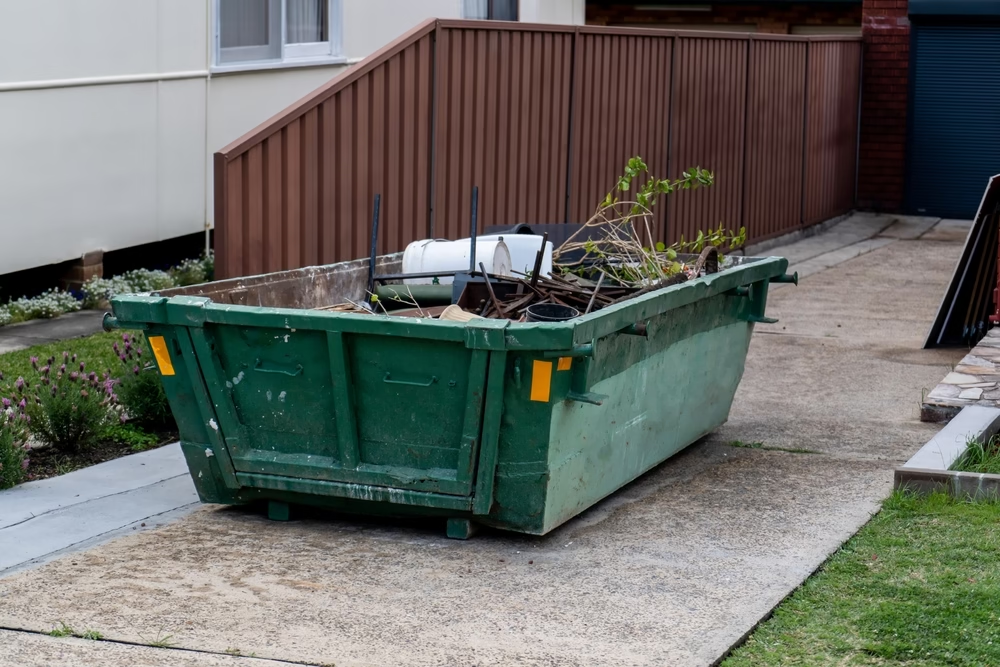
Spring cleanup and major outdoor renovations generate massive piles of organic material that quickly overwhelm municipal collection bins. Homeowners often find themselves with mountains of branches and debris that require a more robust removal method than standard curbside pickup. Using a professional container is a highly effective way to manage these significant volumes of waste during a landscaping project.
A standard dumpster rental from a reliable provider like Easy Roll Dumpster solves these outdoor clearance problems by providing a centralized location for all your organic debris. Examining the specific rules governing outdoor cleanup makes certain your project remains compliant and cost-effective. Understanding these guidelines saves you money and prevents frustrating delays that occur when prohibited materials are discovered in your load.
Determining Acceptable Debris for Your Container
Before ordering a bin, you must understand exactly what companies classify as acceptable debris to avoid potential contamination fees or rejected loads. Most providers gladly take grass clippings, fallen leaves, and small brush from typical residential properties. You can also toss in dead plants and thick tree limbs, provided they fit within the physical dimensions of the container. These organic items break down naturally and pose no threat to the environment when processed at a dedicated composting or mulching facility.
When you utilize a roll-off dumpster for landscape waste, you are making certain that yard debris is handled efficiently and kept out of traditional landfills. This proper disposal method is essential for maintaining the ecological balance of your local waste yard. If you are looking for a dumpster rental in Stockbridge, GA, it is vital to confirm whether your local facility requires the separation of organic matter from other debris.
| Yard Waste Category | Common Items Allowed | Disposal Prep Tip |
| Light Green Waste | Grass, leaves, weeds | Toss loose into the bin |
| Woody Debris | Branches, twigs, brush | Cut to fit below the rim |
| Heavy Organic | Stumps, sod, soil | Check weight limits first |
| Landscaping | Mulch, wood chips | Spread evenly to balance |
Commercial vs. Residential Regulations
Some regions mandate that green waste remains completely separate from standard garbage to facilitate more efficient industrial composting processes. Facilities often compost this organic yard waste rather than burying it in a traditional landfill where it would produce harmful methane gas. If you run a commercial property, municipal rules might require specialized processing for large volumes of organic material generated during land clearing. Environmental agencies track these commercial loads to monitor regional recycling goals and make certain that organic matter is being diverted from the waste stream.
Choosing the right disposal options for your yard waste can significantly impact the overall efficiency and environmental footprint of your landscaping project. Private rentals from Easy Roll Dumpster are a convenient choice for busy homeowners who need more flexibility than municipal schedules provide. Your rental agreement will specify if the facility processes organic material separately or if they allow for mixed-use containers.
Mixed Loads and Weight Considerations
Homeowners frequently want to clear out their garages while simultaneously tackling outdoor cleanup tasks to maximize their rental period. In many service areas, providers allow mixed loads in a standard disposal bin, provided the materials are non-hazardous. This allows you to finish multiple chores during a single weekend without needing to coordinate several different pickup services.
However, you must remain mindful of the weight limit, as organic material like wet soil or heavy logs can quickly exceed capacity. Exceeding these limits often results in additional fees that can strain your project budget. This is particularly important for those seeking a residential dumpster rental in Henry County, GA, where local landfills have strict weight reporting requirements. It is important to avoid adding food waste or standard household trash that contains organic kitchen scraps to these containers, as it attracts pests. Furthermore, contaminated soil should never be placed in a standard bin due to environmental safety concerns.
Maximizing Space and Handling Debris
In a yard debris dumpster, the volume of material can be deceptive, especially with fluffy branches. It is often helpful to break down larger limbs into smaller sections to maximize the available space within the bin. This practice makes certain that you are getting the most value out of your rental while keeping the load level. If the debris extends above the rim of the container, the driver may be unable to legally transport the load.
Taking the time to pack the container tightly will prevent the need for a second rental and keep your project on track. Major home improvement projects often generate construction debris alongside organic waste. Integrating both into one dumpster is possible but requires careful planning to stay within the weight limit of the truck. Heavy items like concrete or bricks should be handled separately from lighter yard debris to prevent overloading the hydraulic systems.
Prohibited Items and Safety
Safety is the top priority when it comes to any waste disposal project involving a yard dumpster. You must never place any hazardous material into a rented container, as this poses a significant risk to workers and the environment. Common household items like paint cans, pesticides, and alkaline batteries are strictly prohibited in standard rentals due to their toxicity.
These hazardous materials require specialized handling at designated drop-off locations to make certain they do not contaminate the soil or groundwater. Ignoring these rules can lead to significant fines and legal complications for the homeowner. In addition to chemicals, certain electronic components and pressurized containers are also considered dangerous and are typically banned from roll-off bins. Your cooperation makes certain that the recycling process for yard waste remains viable and affordable for the entire community.
Conclusion
Working with a professional service like Easy Roll Dumpster allows you to focus on the creative side of landscaping while the experts handle the mess. While disposing of organic debris is a straightforward process, the execution requires attention to detail regarding weight and material types. By following the guidelines for proper disposal and choosing the right size for your needs, you can tackle any outdoor project with confidence.
Clear communication with your provider about bulky items makes certain you have a successful waste removal experience. With the right waste management strategy, your next landscaping endeavor will be a resounding success that enhances your home’s value and beauty. Contact us today to schedule your delivery and clear out your yard waste with zero hassle!